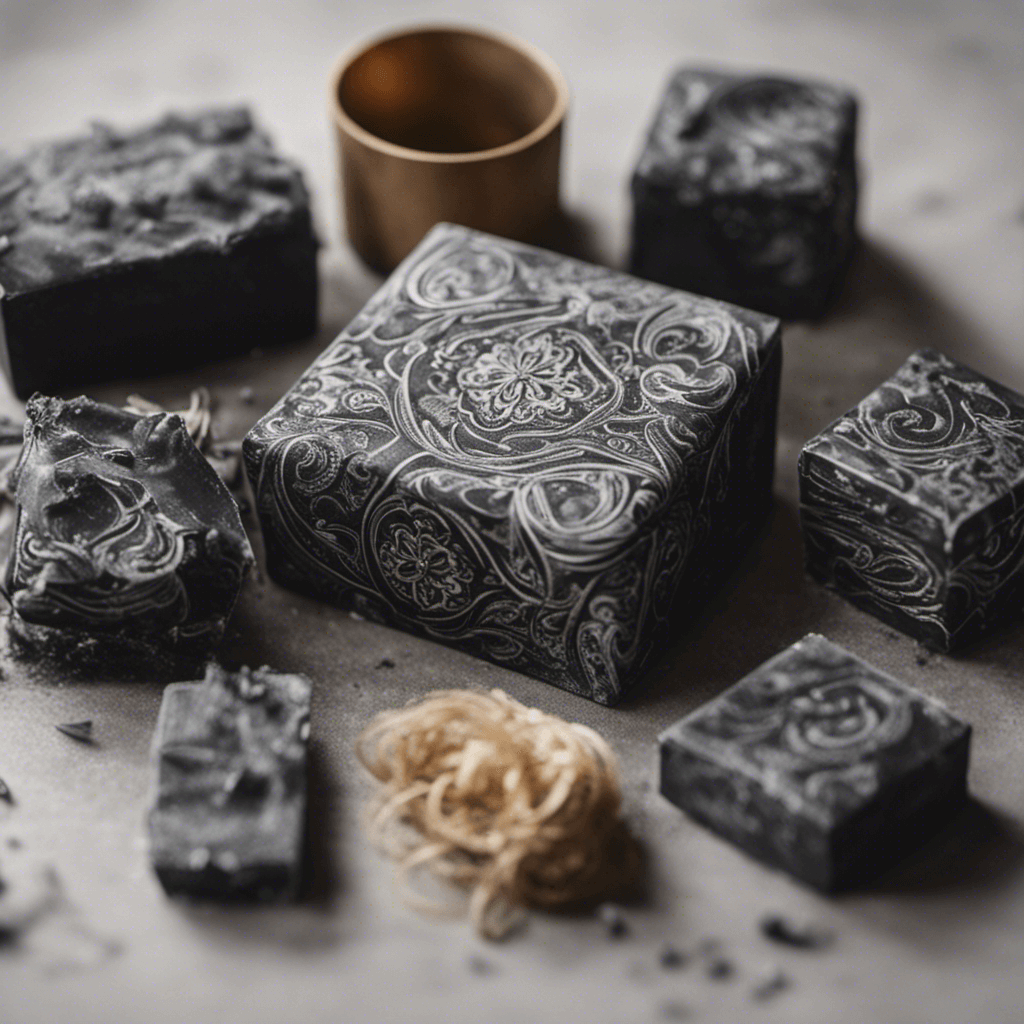
Activated charcoal, also known as activated carbon, has a rich history that spans centuries. Its origins and uses can be traced back to ancient civilizations where its remarkable properties were recognized for various applications.
Ancient Times:
The use of charcoal for medicinal and purification purposes dates back to ancient civilizations. Egyptians used charcoal for medical treatments, including wound healing and digestive ailments. Ancient Hindu texts referred to the use of charcoal for water purification.
18th Century:
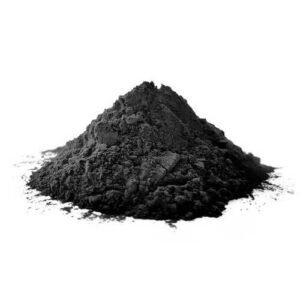
The term "activated carbon" was coined in the 18th century when scientists began experimenting with charcoal's adsorption capabilities. In 1758, French chemist Edme-Jean-Baptiste Bouillon-Lagrange described the activation process in which charcoal was exposed to high temperatures to increase its adsorption capacity.
19th Century:
In the 19th century, activated carbon's applications expanded further. It was used in sugar refining to decolorize syrups, and its adsorption properties were utilized in gas masks during World War I to protect soldiers from chemical warfare agents.
Early 20th Century:
Activated carbon's potential for water purification gained recognition in the early 20th century. Municipalities began using activated carbon filters to remove taste, odor, and contaminants from drinking water.
Mid-20th Century:
During and after World War II, activated carbon played a critical role in gas masks and chemical protection suits. Its adsorption properties were vital for safeguarding military personnel and civilians from toxic substances.
Late 20th Century:
As environmental concerns grew, the applications of activated carbon expanded. It became widely used in air and water purification systems to remove pollutants, organic compounds, and volatile chemicals. The material was also applied in industries such as food and beverage, pharmaceuticals, and more.
21st Century:
Activated carbon continues to be a valuable tool in various fields. Its uses range from medical treatments to environmental protection, and it has found a place in modern innovations like air purifiers, water filters, and even energy storage research.
Ongoing Research:
In recent years, research has been conducted to optimize the activation process and enhance the performance of activated carbon in different applications. This has led to the development of specialized activated carbon materials tailored for specific industries and needs.
The history of activated charcoal showcases its evolution from ancient remedies to a versatile and indispensable material with a wide range of applications. Its journey highlights humanity's ability to harness the properties of natural substances for various purposes, adapting and refining their use over time to address ever-changing challenges and needs.