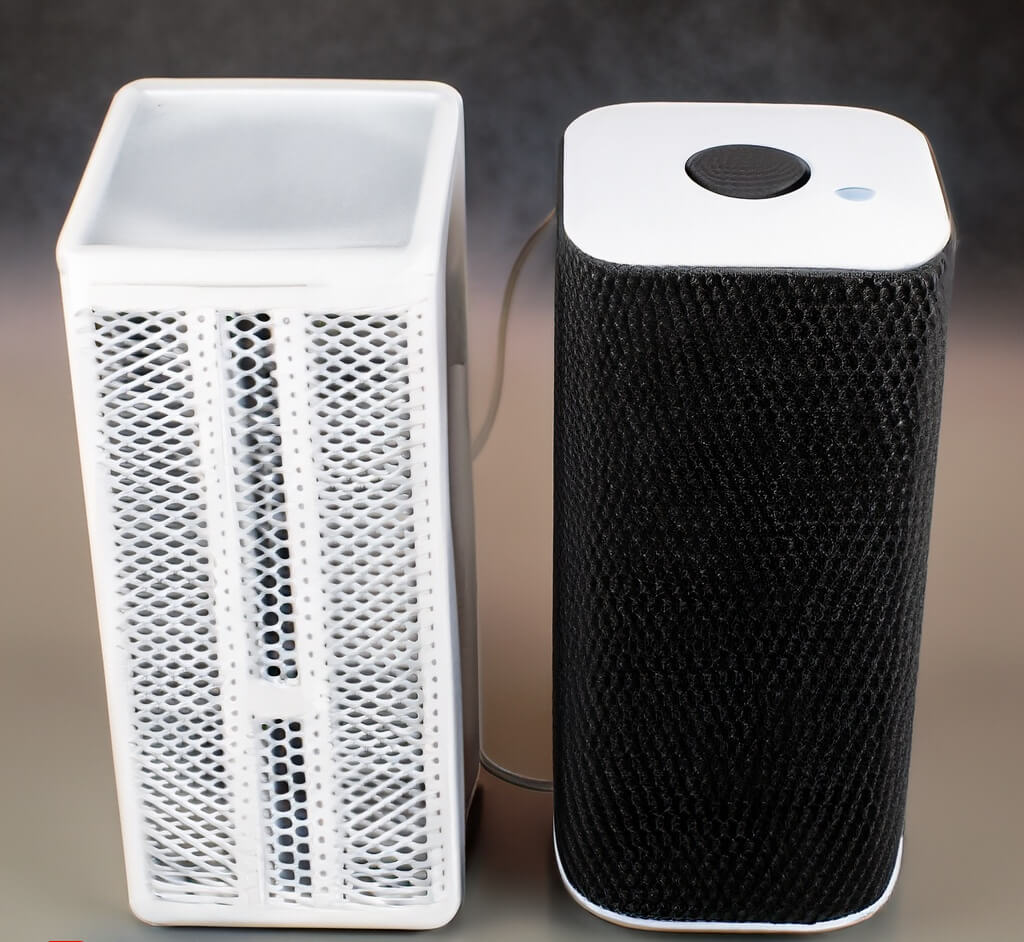
In today’s world, where clean air is a top priority, air purifiers have become essential household appliances. Two popular choices for improving indoor air quality are activated carbon air purifiers and carbon filter air purifiers. But what exactly are these devices, and how do they differ? In this article, we’ll explore the features, benefits, and considerations of both activated carbon air purifiers and carbon filter air purifiers to help you make an informed decision for your home.
Activated Carbon Air Purifier
Activated carbon air purifiers are designed to target and eliminate airborne particles, odors, and harmful gases. They achieve this through the use of activated carbon, a highly porous material that can adsorb impurities effectively. Here are some key features and benefits:
- Effective Odor Removal: Activated carbon excels at neutralizing unpleasant odors, making it an excellent choice for homes with pets, smokers, or cooking odors. It can capture and trap odor molecules, leaving your home smelling fresh.
- Chemical and Gas Removal: These purifiers are proficient at removing volatile organic compounds (VOCs), formaldehyde, and other harmful chemicals from the air, contributing to a healthier indoor environment.
- Large Surface Area: Activated carbon has a vast surface area due to its porous structure, allowing it to trap a substantial amount of pollutants in a relatively small device.
- Compact and Quiet: Activated carbon air purifiers are often compact and run quietly, making them suitable for bedrooms, offices, and other living spaces.
Carbon Filter Air Purifier
Carbon filter air purifiers, on the other hand, use a carbon filter as a key component to capture and neutralize airborne contaminants. Here are some notable features and advantages:
- Comprehensive Filtration: Carbon filter air purifiers often combine multiple filtration stages, including a pre-filter, HEPA filter, and the carbon filter. This multi-stage approach effectively captures particles, allergens, and odors.
- Particle Removal: In addition to odors and gases, carbon filter air purifiers are capable of trapping dust, pollen, pet dander, and other particles, making them suitable for allergy sufferers.
- Improved Air Quality: By removing both particles and odors, these purifiers can significantly improve indoor air quality, creating a healthier living environment.
- Customizable Filters: Some models allow you to choose different types of carbon filters to target specific concerns, such as tobacco smoke or chemical fumes.
Choosing the Right Purifier for Your Needs
When deciding between an activated carbon air purifier and a carbon filter air purifier, consider the specific needs of your household:
- Activated Carbon Air Purifier: Opt for this type if odors, chemical pollutants, or gases are your primary concern. It’s ideal for kitchens, pet-friendly homes, and areas with high pollution levels.
- Carbon Filter Air Purifier: Choose this option if you want a more comprehensive solution that addresses both particles and odors. It’s suitable for those with allergies or asthma.
Both activated carbon air purifiers and carbon filter air purifiers have their unique strengths and benefits. To make an informed choice, assess your indoor air quality needs and priorities. Regardless of your decision, investing in an air purifier can significantly enhance the quality of the air you breathe, leading to a healthier and more comfortable living environment.
Detailed step-by-step process of how activated carbon air purifiers work
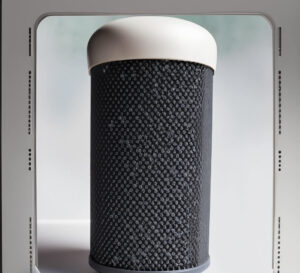
Here’s a detailed step-by-step process of how activated carbon air purifiers work and the components used in these devices:
Step 1: Air Intake
- The air purifier draws in indoor air through a fan or air intake system.
Step 2: Pre-Filter
- Many activated carbon air purifiers incorporate a pre-filter stage before the air reaches the activated carbon. The pre-filter captures larger particles such as dust, pet hair, and pollen, preventing them from clogging the activated carbon and extending its lifespan.
Step 3: Activated Carbon Filter
- The heart of an activated carbon air purifier is the activated carbon filter. This filter is made from activated carbon, a highly porous material usually derived from sources like coconut shells, wood, or bamboo. The carbon is “activated” through a process of heating and treatment that creates a vast network of microscopic pores on its surface.
Step 4: Adsorption
- As the air passes through the activated carbon filter, gases, chemicals, and odors are adsorbed onto the porous surface of the carbon. This process is different from absorption; adsorption involves trapping particles on the surface rather than absorbing them into the material.
Step 5: Odor and Gas Removal
- Activated carbon is particularly effective at removing volatile organic compounds (VOCs), formaldehyde, ammonia, and other harmful gases commonly found in indoor environments. It also excels at eliminating common household odors, such as cooking smells, pet odors, and smoke.
Step 6: Clean Air Release
- After passing through the activated carbon filter, the purified air is released back into the room, free from the odors and chemicals that were previously present.
Step 7: Circulation
- The air purifier’s fan or circulation system continuously circulates and filters the indoor air, maintaining a consistent level of air quality.
Step 8: Filter Replacement
- Over time, the activated carbon in the filter becomes saturated with adsorbed pollutants, reducing its effectiveness. Users need to replace the activated carbon filter as recommended by the manufacturer to maintain optimal performance.
Key Components of Activated Carbon Air Purifiers:
- Activated Carbon Filter: The central component responsible for adsorbing odors, chemicals, and gases. The quality and thickness of the activated carbon filter can vary between models.
- Pre-Filter: Some models include a pre-filter to capture larger particles like dust and pet hair, protecting the activated carbon filter from clogs.
- Fan or Air Intake: The fan or air intake system draws in air, ensuring it passes through the filtration stages.
- Controls and Display: Most air purifiers have user-friendly controls and displays that allow you to adjust settings like fan speed and timer.
- Filter Replacement Indicator: Many models include an indicator that alerts you when it’s time to replace the activated carbon filter.
Activated carbon air purifiers are effective at improving indoor air quality by addressing specific concerns related to odors, chemicals, and gases. However, for comprehensive particle filtration, combining them with HEPA filters or multi-stage purifiers may be necessary, especially if allergens are a concern in your indoor environment.
Carbon filter air purifier
A carbon filter air purifier, also known as a carbon air purifier or carbon filtration air purifier, is designed to remove airborne contaminants, including particles, odors, and gases, by using activated carbon as a key component in its filtration system. Here’s a detailed step-by-step process of how a carbon filter air purifier works and the components used:
Step 1: Air Intake
- The process begins with the air purifier drawing in contaminated air from your indoor environment through an intake vent. This air may contain various impurities, including dust, pollen, pet dander, smoke particles, odors, and volatile organic compounds (VOCs).
Step 2: Pre-Filter
- Many carbon filter air purifiers incorporate a pre-filter as the initial stage of filtration. The pre-filter captures larger particles such as dust, hair, and pet fur. This pre-filtering helps prolong the life of the carbon filter and prevents it from becoming clogged with larger debris.
Step 3: Activated Carbon Filter
- The heart of a carbon filter air purifier is the activated carbon filter, often referred to as the charcoal filter. Activated carbon is a specially processed form of carbon with a highly porous structure. These pores create an extensive surface area that allows the carbon to adsorb (not absorb) a wide range of airborne contaminants.
- When contaminated air passes through the carbon filter, molecules of odors, gases, and VOCs are attracted to the carbon’s surface. This process is called adsorption, where the contaminants adhere to the carbon’s porous structure, effectively trapping them.
- The activated carbon filter can also capture some particles, but its primary strength lies in its ability to remove odors and gases, making it ideal for eliminating cooking smells, pet odors, tobacco smoke, and harmful chemicals.
Step 4: HEPA Filter (Optional)
- Some carbon filter air purifiers include a High-Efficiency Particulate Air (HEPA) filter as an additional stage of filtration. HEPA filters are highly effective at capturing particles as small as 0.3 microns, including allergens like pollen, dust mites, and pet dander.
- This optional HEPA filter ensures that not only are odors and gases eliminated, but airborne particles are also effectively removed from the air, providing a more comprehensive purification process.
Step 5: Clean Air Discharge
- After passing through the carbon filter (and optionally the HEPA filter), the purified air is then released back into the room through an outlet vent. The air is now free from odors, gases, and most particles, resulting in improved indoor air quality.
Maintenance:
- Regular maintenance is essential to ensure the air purifier continues to function effectively. This typically involves replacing or cleaning the pre-filter and periodically replacing the activated carbon filter according to the manufacturer’s recommendations.
In summary, a carbon filter air purifier operates by using activated carbon as the primary filtration medium to adsorb odors, gases, and volatile organic compounds from the air. Some models may incorporate a pre-filter and an optional HEPA filter for particle removal, providing comprehensive indoor air purification. Regular maintenance of filters is essential to maintain the air purifier’s efficiency in delivering clean, odor-free air to your living space.